Food and Treats
The CatDaily guide to bowl politics
Feeding a cat is part nutrition, part routine, part theater, and part hostage negotiation with a small furry aristocrat.
The basic feeding idea
Cats need a balanced diet appropriate for their age, size, health, and lifestyle. Kittens, adult cats, senior cats, indoor cats, overweight cats, and cats with medical conditions may have different needs. The correct food is not always the fanciest label. It is the food that supports the cat’s health and fits veterinary guidance.
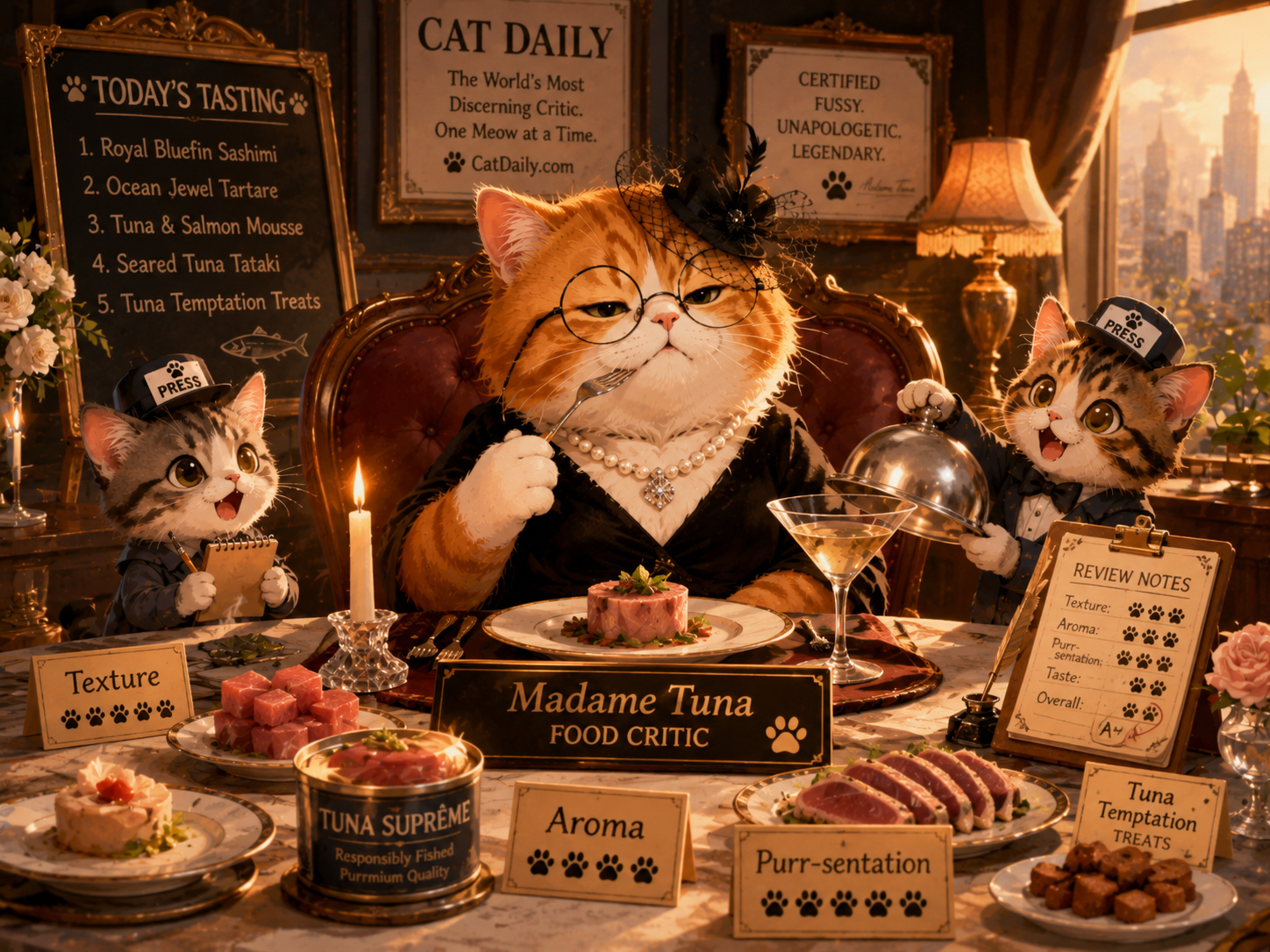
Madame Tuna may prefer “Royal Bluefin Moonlight Mousse.” Your actual cat may prefer the same food every day, at the same time, in the same bowl, served by the same exhausted human.
Wet food, dry food, and the household treaty
Some cats eat wet food, some eat dry food, and many households use a combination. Wet food can add moisture. Dry food can be convenient. The best choice depends on the cat, the household, and veterinary advice.
The important practical point is consistency. Sudden food changes can upset digestion or cause refusal. When changing foods, gradual transitions are usually easier unless a veterinarian gives different instructions.
Water: the quiet hero of the food desk
Fresh water should always be available. Some cats like fountains. Some like wide bowls. Some prefer water away from the food bowl. Some drink like elegant philosophers. Some slap the water first because apparently science requires paw testing.
If a cat suddenly drinks far more than usual, drinks far less, or seems dehydrated, that deserves attention. Hydration is not glamorous, but neither is a surprise emergency vet visit.
Treats: tiny snacks, serious diplomacy
Treats can be useful for bonding, training, enrichment, medication routines, and making your cat believe you are still employable. But treats should stay in their lane. They are extras, not the main economy.
Too many treats can crowd out balanced food or add unnecessary calories. Treats should be appropriate for cats, given in modest amounts, and used with common sense.
| Food Topic | Good Human Practice | CatDaily Translation |
|---|---|---|
| Meal routine | Keep feeding times reasonably consistent. | The royal calendar must be respected. |
| Food changes | Transition gradually when possible. | Do not surprise the monarch with mystery mush. |
| Treats | Use small amounts and avoid overdoing it. | Bribes are allowed. Reckless bribes are not. |
| Water | Offer fresh water and clean bowls. | The hydration station must not look abandoned. |
| Appetite changes | Take sudden changes seriously. | The food bowl is filing a report. |
The picky cat bureau
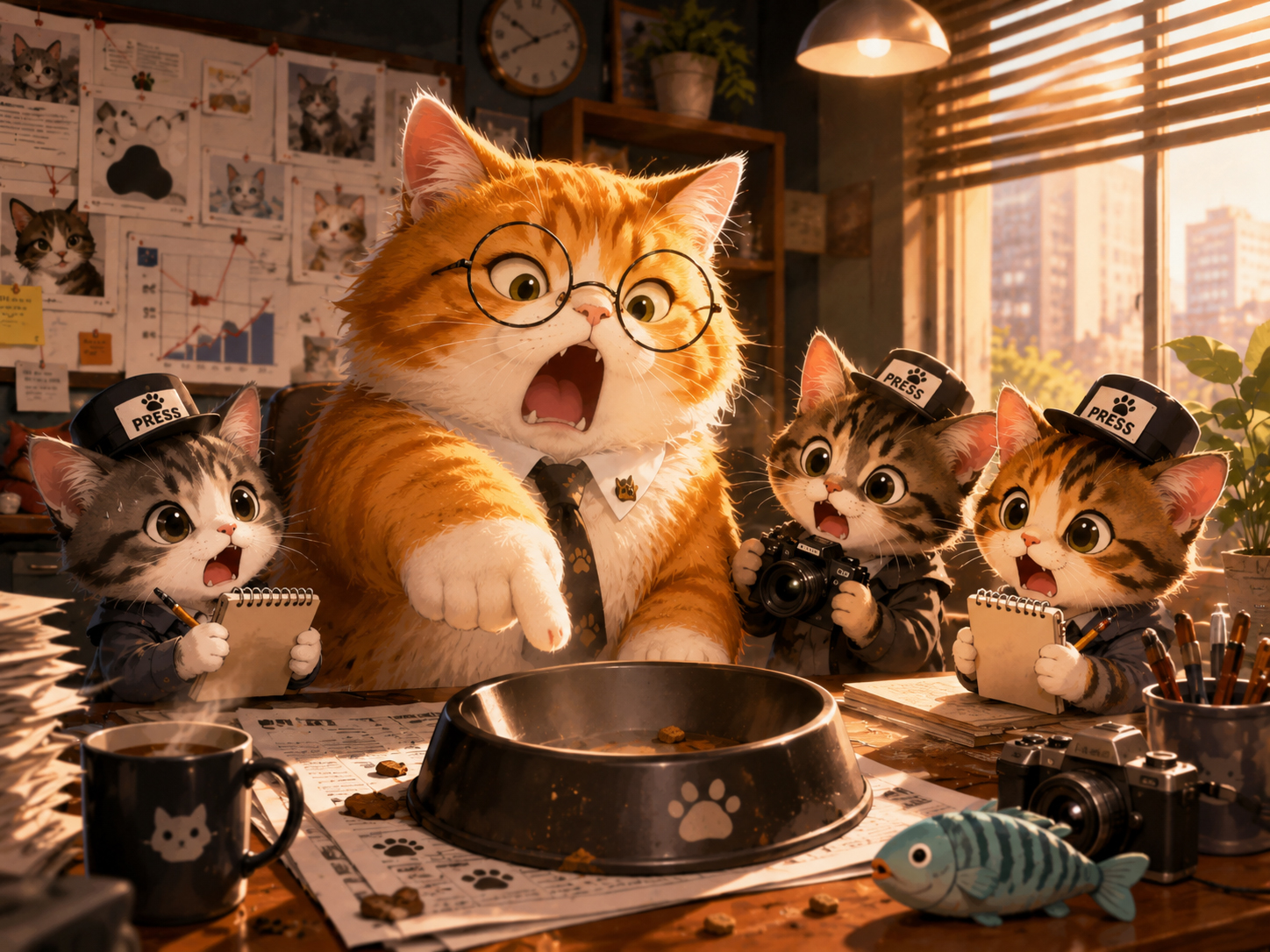
Picky eating can come from preference, stress, bowl placement, texture, temperature, routine changes, dental discomfort, nausea, or other health issues. A cat who refuses food is not always “being difficult.” Sometimes the cat is telling you something important.
Watch for patterns. Does the cat sniff and leave? Try to eat but stop? Prefer soft food? Drop food? Chew on one side? Hide? Ask for food but not eat? Those details are useful if you need to talk to a veterinarian.
Bowls, placement, and presentation
Some cats care about bowl shape, smell, location, noise, nearby pets, and whether their whiskers touch the sides. A shallow dish or plate may help some cats. Clean dishes matter. A quiet feeding spot can reduce stress.
Madame Tuna calls this “purr-sentation.” Dr. Pawprint calls it reducing friction. Editor Whiskers calls it “why is my bowl one inch to the left?”
Food safety basics
Store cat food properly, keep bowls clean, discard spoiled wet food, and avoid giving random human foods without checking safety. Many human foods are not appropriate for cats, and some can be dangerous.
Also remember that cats are not tiny dogs wearing better pajamas. Cat nutrition is cat-specific. The cat may act like it can manage the pantry alone. The cat cannot.
Food and appetite warning signs
Kitten food: tiny chaos needs fuel
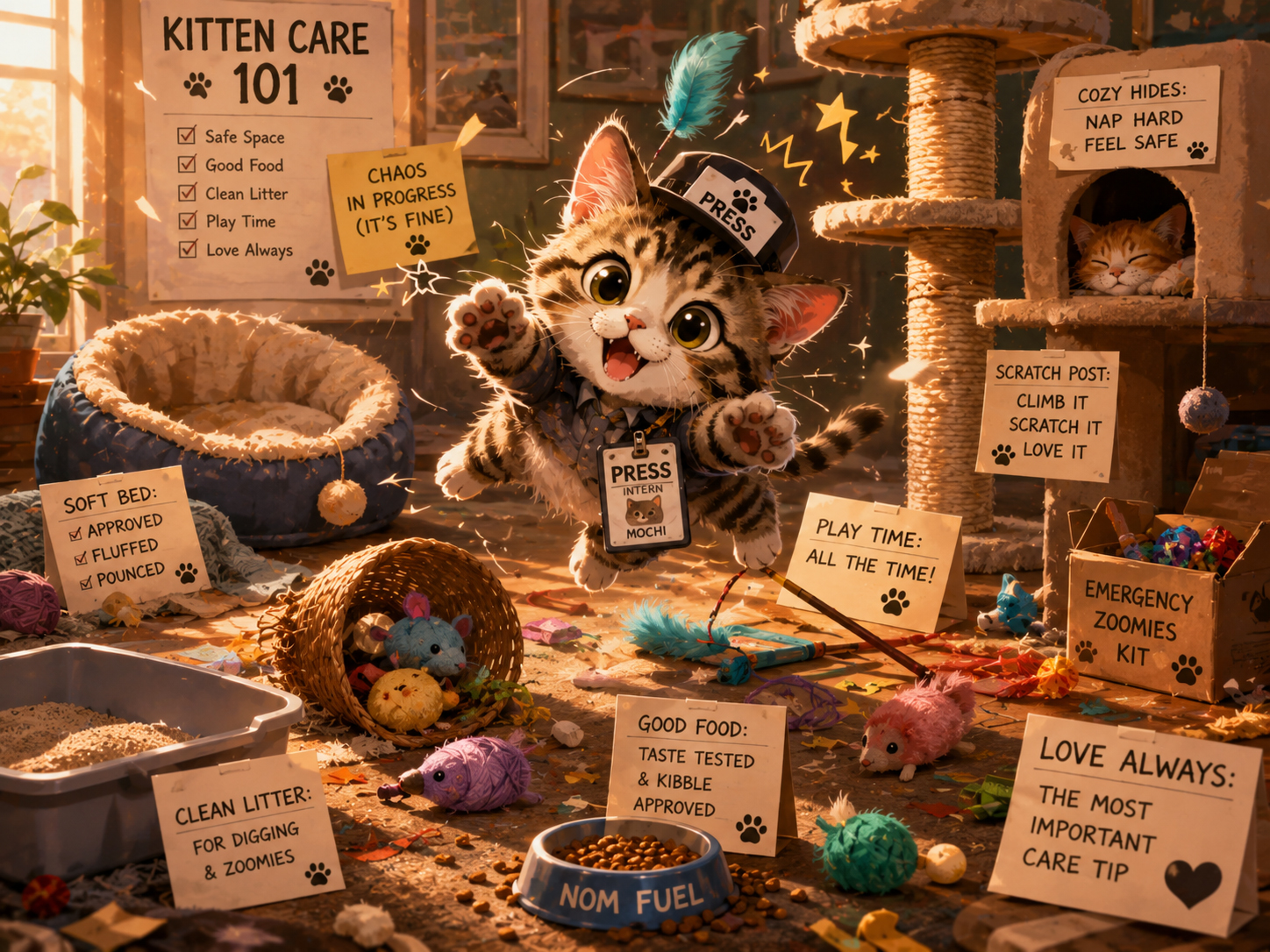
Kittens need age-appropriate food and careful routines. Their growth, energy, and safety needs are different from adult cats. They also believe every object is either food, a toy, or a legal challenge.
Senior cats: comfort, access, and appetite
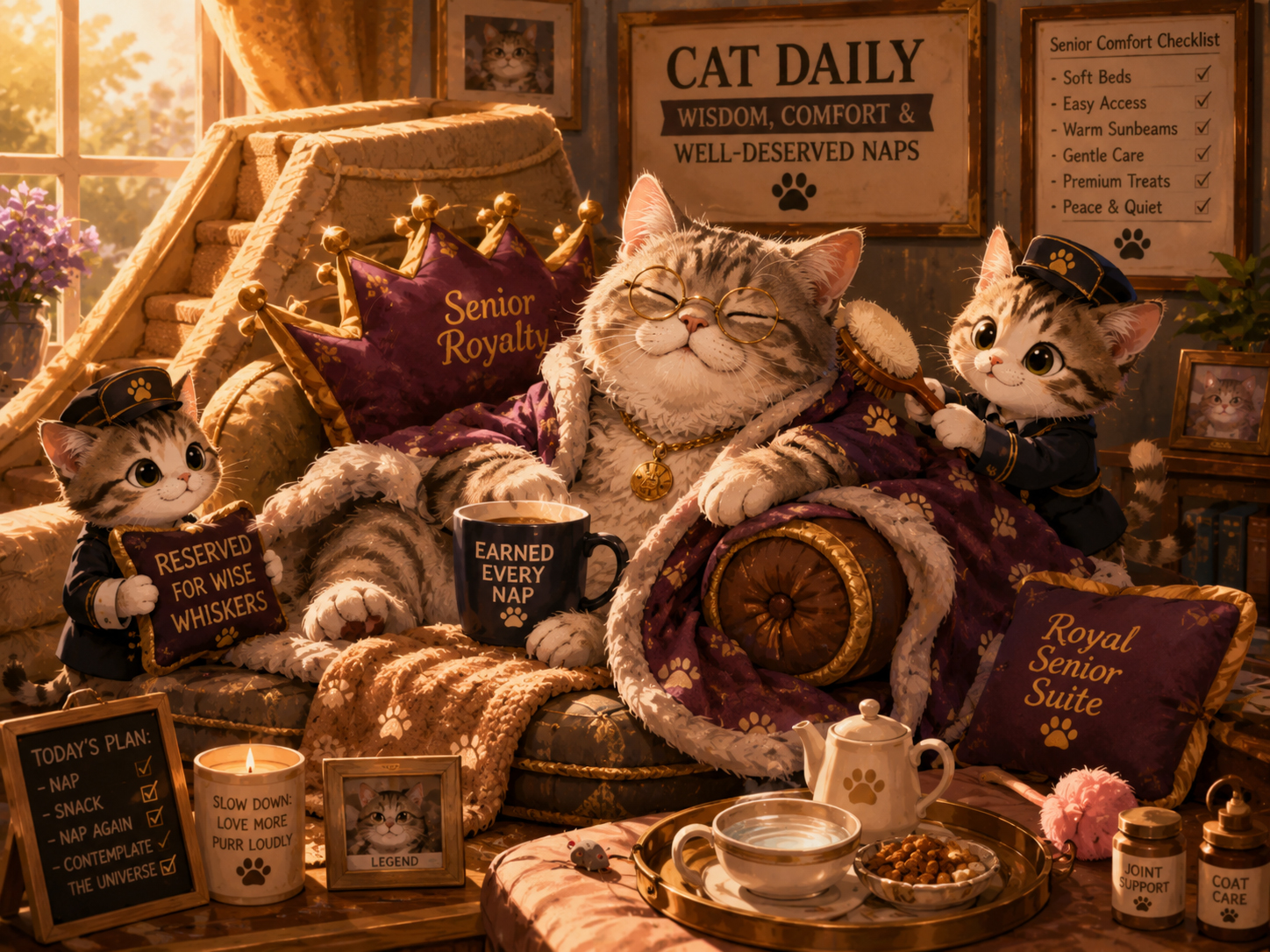
Senior cats may need easier access to bowls, softer food options, more comfortable feeding locations, or closer monitoring of weight and appetite. Small appetite changes can matter more when a cat is older.
If an older cat suddenly eats less, drinks more, loses weight, avoids food, or changes behavior, do not simply blame age. The senior monarch deserves a real review.
Madame Tuna’s official review categories
The mouthfeel tribunal
Pâté, shreds, morsels, gravy, dry crunch, soft bites — some cats have firm opinions. Very firm.
The sniffing ceremony
A cat may inspect dinner with the seriousness of a museum curator evaluating stolen jewels.
The sacred schedule
Feed reasonably consistently. A cat’s internal clock is powered by hunger and theatrical timing.
The treat constitution
Treats are diplomacy. Too many treats are a coup against balanced nutrition.
Closing verdict
Feeding a cat is not about winning every bowl negotiation. It is about supporting health, noticing changes, keeping water fresh, using treats wisely, and respecting that your cat has appointed itself chair of the Food Quality Commission.
Madame Tuna’s final ruling: serve responsibly, observe carefully, clean the bowl, and never underestimate the power of one disappointed stare.